Why Self-Repairing High-Speed Doors are the Smart Choice for Your Business

Why Self-Repairing High-Speed Doors are the Smart Choice for Your Business


Hello there! If you’re considering high-speed doors for your facility, you’ve likely come across various models claiming to improve efficiency, enhance safety, and minimise downtime. But here’s something you might not have thought about yet. Self-Repairing High Speed Doors.

In today’s post, we’ll discuss why these innovative doors are quickly becoming essential in industries that rely on fast door operations. Whether it’s in warehouses, loading docks, or manufacturing plants. And the best part? They could save you a substantial amount of money in the long run. Let’s have a chat about how that works!

What Makes Self-Repairing High-Speed Doors Special?

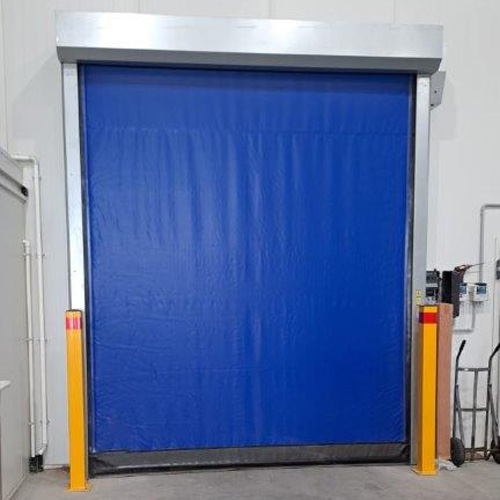
First things first, let’s explain what self-repairing high-speed doors are. These are doors equipped with a flexible curtain system and intelligent technology that allows the door to “repair itself” when damaged.

For example, if a forklift or another vehicle accidentally bumps into the door, the curtain will slip out of its tracks without causing significant damage. Then, the door can realign automatically and roll back into place without requiring a full repair or replacement. In other words, the door fixes itself.

Sounds almost futuristic, doesn’t it? But it’s real, and it’s transforming industries that rely on high-speed doors for daily operations.


How Do Self-Repairing Doors Save You Money?


Less Downtime = More Productivity
We all know how frustrating it can be when a door breaks down, especially in a busy environment. A damaged high-speed door can cause traffic jams, slow down production, and force staff to find alternative routes. With a self-repairing door, if the door gets damaged, it can realign itself quickly and get back to work. This dramatically reduces downtime, helping to keep operations running smoothly without costly delays.

Lower Repair Costs
Traditional high-speed doors often require repairs or even complete replacement when they’re damaged. These repairs can be expensive, not just for the parts but also for the labour involved. With self-repairing doors, minor damage can often be resolved without the need for a service call. This means you’ll save on labour costs, part replacements, and avoid significant downtime. It’s a more cost-effective approach to maintaining your doors.

Reduced Risk of Further Damage
When a high-speed door is damaged, there’s a risk that further damage can occur if it’s not addressed quickly. For example, if a door goes off track or becomes misaligned, it can put additional strain on the motor and other components, leading to more serious (and expensive) repair. A self-repairing system helps mitigate this risk by returning the door to its proper position, reducing wear and tear on key parts and extending the life of your door system.

Increased Longevity
Because self-repairing doors are designed to be flexible and durable, they can handle minor collisions without sustaining significant damage. As a result, they can often last longer than traditional high-speed doors, which may need replacing after multiple impacts. Investing in a self-repairing model means fewer replacements over time, saving you money in the long term.


Safety Benefits: It’s Not Just About the Money


Beyond the financial advantages, self-repairing doors also enhance safety in your workplace. In fast-moving environments where people and vehicles are constantly in motion, a malfunctioning door can pose a serious safety risk. Self-repairing high-speed doors quickly return to their normal operation after a bump or knock, reducing the chances of the door remaining stuck open or inoperable for extended periods. This ensures a safer environment for your employees and lowers the risk of accidents, protecting your workforce and reducing potential liability.


The Bottom Line: A Smarter Investment


It’s clear that self-repairing high-speed doors are a game-changer in industries where efficiency and cost savings are a priority. By minimising downtime, reducing repair costs, and extending the life of your doors, these systems offer a smart, long-term investment for your business.

Whether you run a busy warehouse, distribution centre, or manufacturing facility, self-repairing high-speed doors are a practical solution that keeps your operations flowing smoothly while reducing costs.

Next time you’re considering high-speed doors for your business, think not just about the upfront costs, but about the long-term savings, reduced maintenance, and the added efficiency these doors bring to your operation. Self-repairing doors might just be the investment you need to take your business to the next level.

Thanks for reading! If you’ve got any questions or want to learn more about how self-repairing high-speed doors can benefit your facility, don’t hesitate to get in touch. We’re here to help you make the best choice for your business.
High Speed Doors: Regular Doors Are Just Too Slow

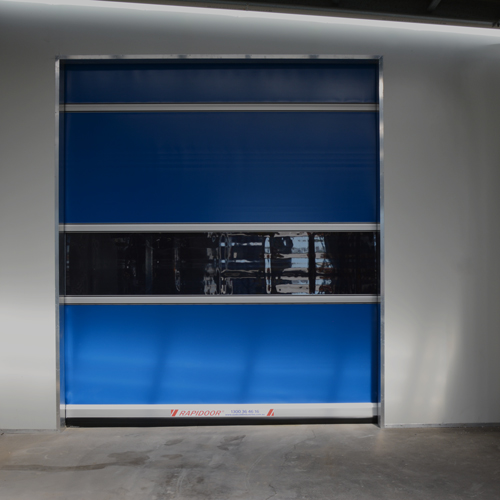
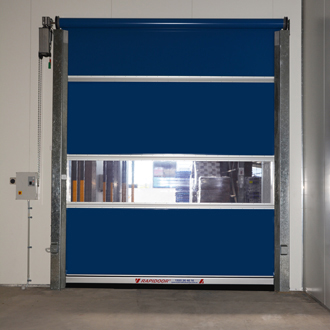
Alright, gather round folks, because today we’re talking about something that doesn’t get nearly enough appreciation. High-speed doors. You might be thinking, “What on earth is so special about a door that closes quickly?” But oh, my friends, these aren’t just any doors. These are the door equivalent of a pimped-up sports car.


It’s Fast, But Not in a Dodgy “Driving through a Red Light” Way

Imagine you’re in a warehouse, trying to get a delivery in and out at the speed of light. You’re in the zone, dodging forklifts like a professional stunt driver, calculating angles, living life on the edge. Then, BAM, the high-speed door open faster than you can say “blimey, that was close!” You don’t even need to slow down. It’s like the door knows you’re in a hurry and has a better sense of timing than your mate who always shows up late for the pub.

And let’s be honest, a door that opens and closes at the speed of a fully kitted-out Bugatti Veyron is honestly the type of hype we never realised we needed.


Saving the Day (and Energy Costs) Like a Silent Hero

High-speed doors aren’t just quick, they’re also energy efficient. I mean, sure, that’s not as cool as being able to leap tall buildings in a single bound, but when it comes to saving businesses thousands of quid on heating or cooling bills, it’s a superpower in itself. Every time one of those bad boys shut before a gust of wind can escape, you know it’s fighting the elements, keeping your precious warehouse climate controlled like a pro.

Picture this: You’re trying to maintain your fridge temp for the goods you’re storing, but the last thing you need is a constant draft blowing through every time a delivery driver rocks up. The high-speed door comes to the rescue, closing before the chill gets out of hand. You’re basically an energy-saving superhero (you’re welcome, Earth!)


Looks Cool – Doesn’t Make You Look Like a Cheapskate

Now, no one’s saying that standard doors are the stuff of nightmares, but if you want to look like you’ve got your business together, a high-speed door screams “I’m on top of my game!” It’s got that sleek, modern look. You know, the sort of door that says, “I’m a big deal” without actually needing to say anything at all. People will walk in and think, “Wow, this place is so cutting edge.” It’s like the business equivalent of wearing a tailored suit, without the hassle of trying to find a parking spot for your Lamborghini.


No More “Accidental” Slammed Fingers

Look, we’ve all been there. You’re hurrying through a normal door and then, bam, the door slams on your fingers. You yell something unsporting under your breath, and there’s a few seconds of reflection about how poorly your life choices have led you to this point. But with a high-speed door, no more smashed fingers. Nope, this door opens and closes with such precision, you can practically hear the door whisper, “I’ve got you, mate.”

And if you’re worried about the door not sensing you, fear not! These things have sensors everywhere.


They’re Like the Usain Bolt of the Door World

Imagine if a door could run the 100m dash in record time. That’s a high-speed door for you. You’re talking about technology that works at such high speeds, it feels like the door can read your mind. Blink and the door is already open. Perfect for that urgent warehouse run when you’re just too busy being a highly efficient person to be hanging about for doors to slowly clunk open.


Bonus: They’re Low-Maintenance

Who doesn’t love something that works hard and doesn’t require constant TLC? Unlike that pesky coffee machine in the breakroom that’s always on the fritz, high-speed doors don’t need constant servicing. You don’t have to treat them like an expensive pet. They get on with the job efficiently and without any drama. It’s like that friend who always arrives on time and never borrows your clothes without asking. In a world full of unreliable tech, that’s a massive win.


What’s the Catch?

Alright, before anyone asks, yes. They might cost a little more to install than your standard door, but think of it as an investment. You’re paying for performance and efficiency. Think of it like buying an expensive bottle of whisky (it’s not something you need every day, but when you do have it, you’re glad you splurged.)


Bang! There you have it

So, there you have it. High-speed doors are not just fast and functional. They’re like the superheroes of the door world, here to save the day, keep your energy bills down, and look cool while doing it. If your workplace still doesn’t have one of these marvels of engineering, it might be time to have a word with your facilities manager. Because if you’re not upgrading to high-speed doors, you’re missing out on a whole world of door potential. And trust me, your fingers will thank you.

The Evolution of High Speed Doors

The Evolution of High Speed Doors. Have you ever wondered how high speed doors came to be and why they’re so essential in various industries today? Let’s take a stroll down memory lane and explore the fascinating history of these remarkable innovations.


The Early Days: 1950s-1960s

Our journey begins in the post-war era, a time of significant industrial growth. As factories expanded, so did the need for efficiency. Traditional doors were often slow and cumbersome, leading to delays in operations. Enter the first high-speed doors, designed to facilitate quick access in manufacturing and warehousing environments. These early iterations were all about improving workflow while providing a degree of insulation against the elements.


Technological Breakthroughs: 1970s-1980s

Fast forward to the 1970s and 1980s, and we start to see some real innovation. The introduction of flexible materials like PVC changed the game, allowing for faster operation and better sealing. This period also marked the dawn of automation, as electric motors and automated systems began to take centre stage, enabling doors to open and close without the need for manual effort.


A Surge in Popularity: 1990s

By the 1990s, high speed doors were gaining traction across various sectors, from food processing to pharmaceuticals and cold storage. The advantages were clear: improved energy efficiency and streamlined operations. With this growing popularity came a need for safety standards and regulations, ensuring that installations were not just efficient but also safe for employees.


Modern Innovations: 2000s-Present

In the new millennium, high speed doors have undergone impressive transformations. Smart technology has become a key player, with advanced sensors enabling automatic opening and closing based on movement detection. There’s also a stronger focus on energy efficiency, as industries strive to reduce their environmental footprint. Modern high speed doors are now designed with enhanced insulation and sealing capabilities, further contributing to energy savings.

Customisation has also become a hallmark of contemporary high speed doors. Whether for clean rooms, warehouses, or retail spaces, today’s options can be tailored to meet the unique needs of different environments.


Current Trends: Integration and Sustainability

Looking ahead, we see a trend towards integrating high speed doors with broader building management systems. This synergy allows for enhanced control and efficiency, streamlining operations even further. Additionally, as sustainability takes centre stage in global discussions, manufacturers are focusing on environmentally friendly materials and energy-efficient designs.


The Evolution of High Speed Doors Summary

From their humble beginnings to the high tech solutions we see today, high speed doors have come a long way. They not only enhance safety and efficiency but also contribute to energy conservation in our increasingly eco-conscious world. So, the next time you zip through a high speed door, take a moment to appreciate the innovation that went into its creation!

Mesh Ventilation Doors: Breathe Easy and Move Fast!

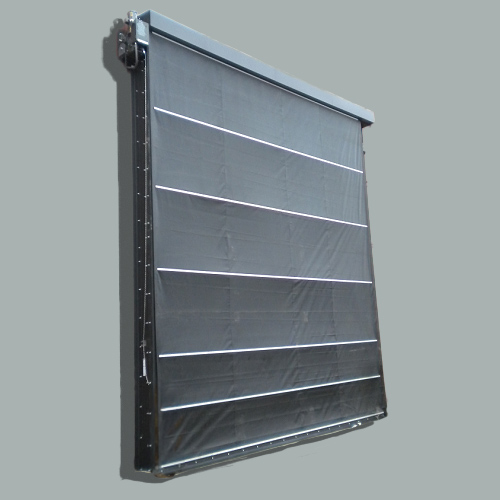
Mesh Ventilation Doors. Alright, folks! Let’s talk about something that can really change the game in your warehouse or commercial space: high-speed mesh ventilation doors. If you’re tired of stuffy air and slow doors that feel like they’re from the Stone Age, these bad boys are about to become your new best friends. Let’s dive in!

What’s a High-Speed Mesh Ventilation Door?

Picture this: a door that opens faster than your mate when someone mentions a free pint and lets fresh air in without the hassle of bugs and debris. High-speed mesh ventilation doors are designed for quick access while providing ventilation. They’re perfect for environments where air circulation is key, but you don’t want to compromise on speed or cleanliness.


Speedy Operation

These doors can open at impressive speeds, That means no more waiting around while the door slowly creaks open like a scene from a horror film. You can whizz in and out without losing momentum—perfect for busy environments where every second counts!


Mesh Design for Maximum Ventilation

The mesh design is a game-changer. It allows for excellent airflow while keeping unwanted pests at bay. So, whether you’re working in a hot warehouse or a bustling kitchen, you’ll get that refreshing breeze without letting in flies or other critters. Talk about a win-win!


Energy Efficiency: Keep It Cool

With great ventilation comes great energy savings! High-speed mesh doors help maintain temperature control, reducing the need for excessive heating or cooling. This means you can keep your space comfortable without breaking the bank on energy bills. It’s like having a door that’s both a bouncer and a thermostat!


Durability You Can Count On

Made from robust materials, these doors are built to withstand the hustle and bustle of daily operations. Just like your favourite action hero. No more worrying about replacing flimsy doors that crumble under pressure!


Safety First!

Safety is key, and high-speed mesh ventilation doors come equipped with photo eletric beams to prevent accidents. So, no more dodging doors like a contestant on a game show. They’ll open and close smoothly, ensuring that you can focus on getting the job done without any mishaps.


Low Maintenance, High Efficiency

Let’s be honest: nobody wants to spend their weekends tinkering with doors. The beauty of high-speed mesh doors is that they’re low-maintenance! Once they’re installed, you can pretty much forget about them (aside from the occasional check-up), leaving you more time for what really matters—like planning your next holiday.


Conclusion: Upgrade Your Space!

If you’re looking for a way to improve airflow and efficiency in your space, high-speed mesh ventilation doors are the answer. They’re quick, durable, and designed to keep your environment comfortable without the hassle of traditional doors.

Have you had any experience with high-speed mesh ventilation doors? Or are you thinking about making the switch? Remember, life’s too short for stuffy spaces!